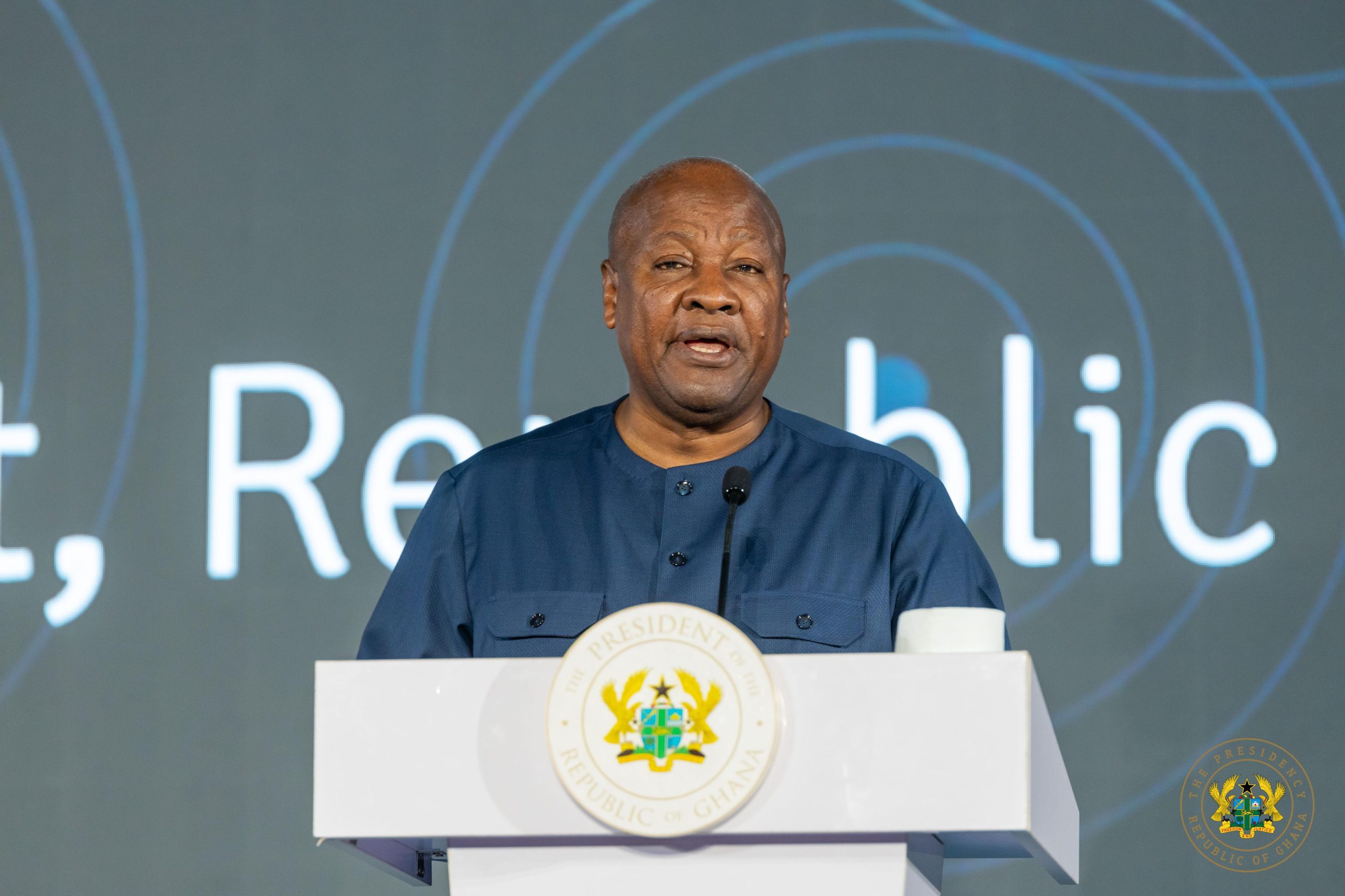
Ghana will officially launch its landmark 24-Hour Economy policy today, Wednesday, July 2, in a major move aimed at reshaping the nation’s economic structure and enhancing productivity across vital sectors.
A flagship promise in the National Democratic Congress (NDC) Manifesto, the policy is designed to encourage continuous, round-the-clock operations in selected industries. It has been described by government officials as a transformative initiative poised to generate thousands of jobs, cut down unemployment, and expand national output.
Targeted sectors include manufacturing, agro-processing, healthcare, transportation, and retail—industries seen as critical to sustained economic growth.
Under the initiative, businesses will be encouraged to adopt shift-based work systems and extend their operating hours. Companies that sign on will benefit from a range of government incentives, including tax reliefs, dependable electricity supply, and strengthened nighttime security.
Presidential Advisor on the 24-Hour Economy, Goosie Tanoh, underscored the government’s readiness to implement the policy. He said the strategy rests on three key pillars: transforming production systems, enhancing supply chains and market access, and building human capital.
“These foundational anchors are supported by eight strategic sub-programmes,” Mr. Tanoh noted.
Among these are:
-
Grow24, focused on modernising the agricultural sector
-
Make24, aimed at expanding industrial and manufacturing capacity
-
Connect24, designed to streamline logistics and supply chains
-
Aspire24, a cultural reorientation campaign to promote a productivity-focused national mindset
A notable feature of the policy is the integration of digital skills into the Technical and Vocational Education and Training (TVET) curriculum, equipping young people with tools for the evolving job market.
Another initiative, Show Ghana, will leverage the country’s cultural heritage to stimulate tourism and increase foreign exchange earnings.
In response to the policy presentation, Speaker of Parliament Alban Bagbin praised the initiative but urged the government to seek legislative backing to ensure its sustainability.
He encouraged the 24-Hour Economy Secretariat to work with Parliament on drafting a bill that would institutionalise the programme and protect it from political transitions.
24-Hour economy will empower private sector growth – Abdul Nasser Alidu