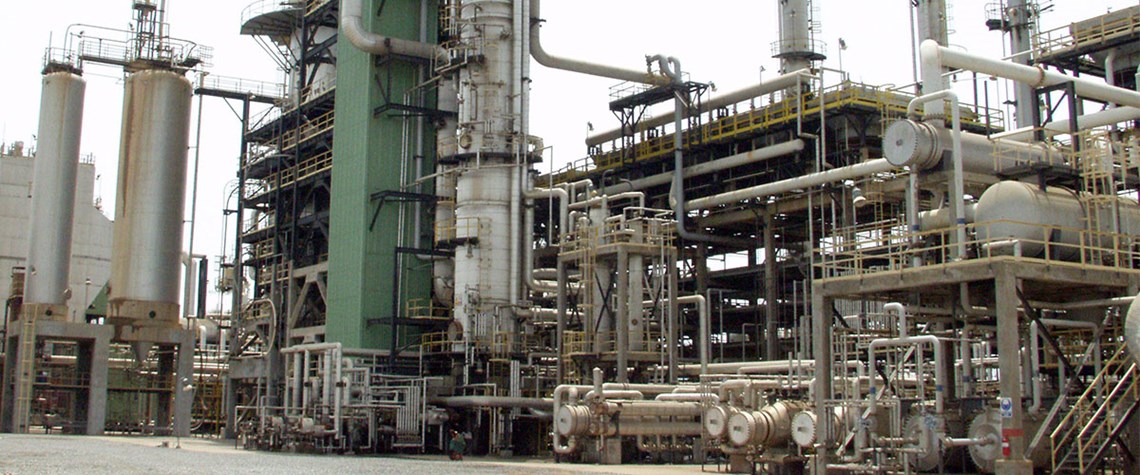
Ghana’s downstream petroleum industry is facing imminent risk of collapse unless urgent policy reforms are implemented, Civil Society Organisations (CSOs) in the energy sector have warned.
According to the CSOs, Ghana’s transition from a regulated to a partially deregulated petroleum market, particularly after the removal of fuel subsidies in 2015, has fostered competition, nonetheless this has not led to efficiency. Instead, the rapid increase in the number of Petroleum Service Providers (PSPs) has strained the sector.
“The seeming stability and availability of petroleum products in the market hangs on a volatile system,” a joint statement by the Centre for Environmental Management and Sustainable Energy (CEMSE) and Institute for Energy Policies and Research (ITEPR) read. It added: “The Ghanaian consumer is paying for high credit and bad debt management in the current system.”
Since deregulation, Bulk Distribution Companies (BDCs) have grown from 31 in 2015 to 53 in 2024, while Oil Marketing Companies (OMCs) have surged from 139 to over 200. Despite this expansion, average annual petroleum sales per OMC have remained stagnant at approximately 24,990 metric tonnes—nearly unchanged since 2015.
“The licence renewal fees for BDCs are about US$300,000 annually, and a new entrant pays more than US$750,000,” the CSOs noted.
Comparisons with Kenya and Tanzania further highlight inefficiencies in Ghana’s market structure. While Ghana has 213 OMCs, Kenya has 106 and Tanzania just 60, despite all three countries recording similar annual petroleum sales of around 5 million tonnes.
The CSOs also raised concerns over regulatory lapses that allow for tax evasion, sales underreporting, and the distribution of substandard petroleum products. They pointed to companies that have not lifted petroleum from depots yet still have their indicative prices published by the National Petroleum Authority (NPA), suggesting potential illegal operations.
“The unrestricted number of PSPs in the downstream sector, coupled with weak oversight, has led to market distortions,” they stated.
“In 2024, it was observed that some OMCs did not lift products from any of the depots, yet they had their indicative prices published by the NPA. These companies might be selling poor-quality products to petroleum users since the source of their products is unknown.”
Another major issue raised is the presence of politically connected companies obtaining OMC licenses without meeting operational requirements. The CSOs claim these entities divert petroleum products and evade taxes, depriving institutions like the Ghana Revenue Authority (GRA) and the Bulk Oil Storage and Transportation Company (BOST) of vital revenue.
To address these concerns, the groups proposed several reforms calling for the elimination of the credit system to improve liquidity for petroleum procurement. Additionally, they recommended increasing the minimum station requirement for an OMC license from seven to ten to ensure only serious players operate in the sector.
“There should be punitive actions taken against the board of directors if they approve a company that does not meet this requirement,” the statement added.
They also suggested that new OMC applicants be required to provide proof of GH¢10 million in funds from a reputable bank.
Furthermore, the CSOs urged authorities to revoke the licenses of OMCs and BDCs that have not lifted or imported petroleum products in the past five years.
“These recommendations are to stop companies sponsored by politicians who see the petroleum downstream as an avenue to get easy money at the expense of ordinary consumers,” they stated.
“These companies who do not own a single station, when given a license to trade as OMCs, sell the petroleum products and do not pay taxes to GRA—keeping the margins and levies meant for NPA and BOST.”
The CSOs concluded by calling on the new management and board of the NPA to act decisively to safeguard the downstream petroleum sector from further instability.