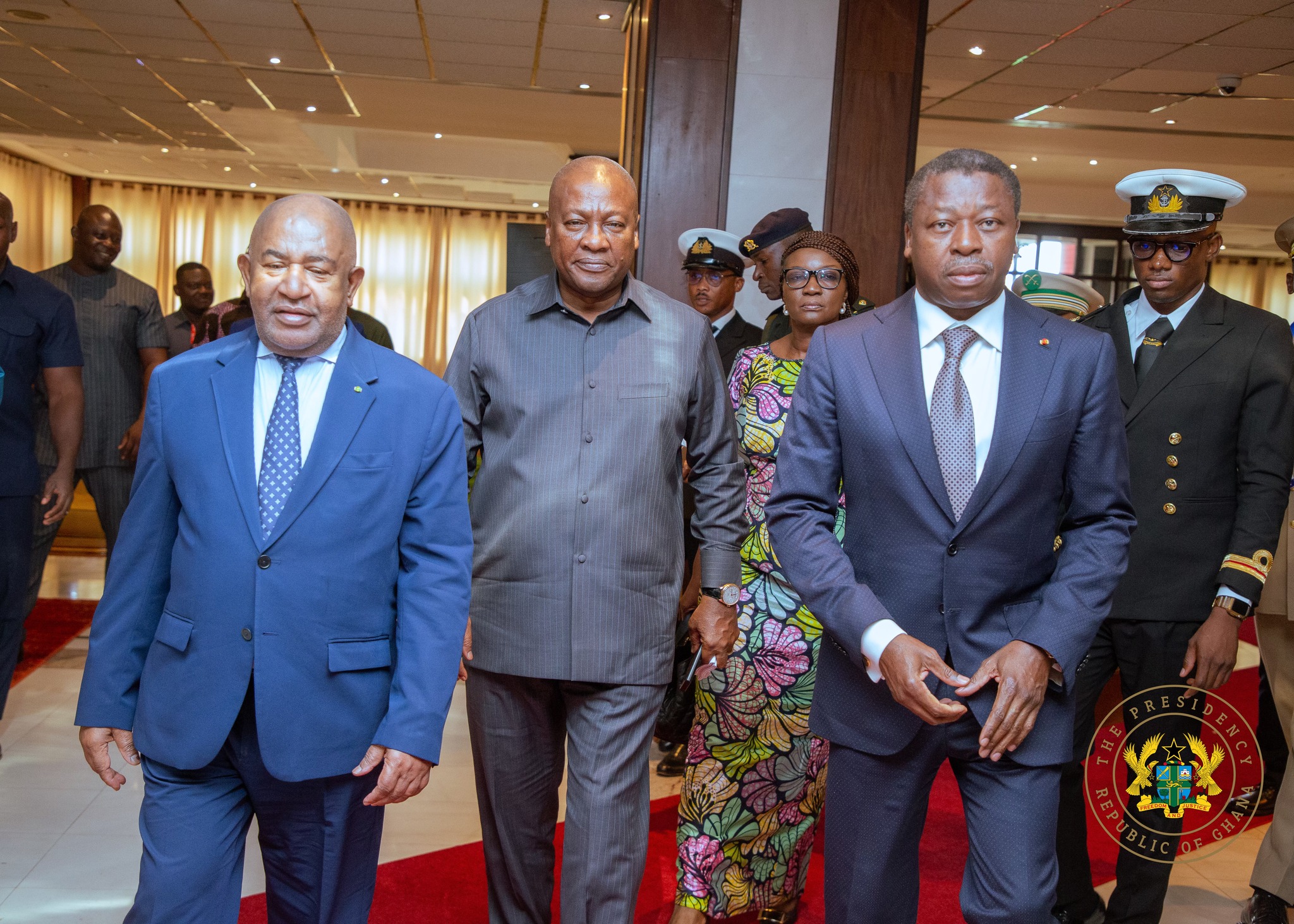
President John Dramani Mahama has called for a shift in Africa’s economic strategy, emphasising the need to move beyond exporting raw materials to producing finished goods.
Speaking at the Africa Prosperity Dialogues 2025, Mahama highlighted the importance of adding value to the continent’s natural resources to enhance global trade and create sustainable jobs.
“Africa must move beyond exporting raw materials to producing finished goods. Whether it is cocoa in Ghana, oil in Nigeria, copper in Zambia, or diamonds in Botswana, we must process and add value to our natural resources,” Mahama stated.
He stressed that by processing and adding value to natural resources, Africa can increase its share of global trade and generate sustainable employment for its citizens.
Mahama also underscored the importance of ensuring indigenous ownership of natural resources and leveraging available capital and technology to boost involvement in their utilisation.
“By doing so, we will enhance our share of global trade and generate sustainable jobs for our citizens. We must ensure indigenous ownership of our natural resources. Capital and technology are at our disposal to boost our involvement in utilising our natural resources,” he added.
Mahama outlined three key actions that governments must take in collaboration with the private sector to drive industrialization:
Special Economic Zones (SEZs): Establish SEZs that encourage manufacturing and innovation.
Access to Finance for SMEs: Provide access to finance for small and medium-sized enterprises (SMEs), which are the backbone of African economies.
Investment in Technical and Vocational Education: Invest in technical and vocational education to equip the youth with the skills needed for future industries.
“Governments must, therefore, work hand in hand with the private sector to drive industrialisation through Special Economic Zones (SEZs) that encourage manufacturing and innovation, access to finance for small and medium-sized enterprises (SMEs), which are the backbone of our economies, and investment in technical and vocational education to equip our youth with the skills needed for the industries of the future,” Mahama added.